I recently came across a film titled Exhibiting Forgiveness and thought to myself, “What does art mean?” I remember back in my undergraduate days I took an art history course and dove full force into wrapping my mind around the complexities of the art world. But still remained: what is art? I’m on quest to find out, seeking understanding in so much ambiguity.
As I may have mentioned, my experience with the art world is limited. It is a world segregated by socioeconomic class lines; of pretention and wealth; and cultures imbuing meaning. After all, we are human. But it is also many more things. Things that cannot be articulated. Things and meaning that transcend the world of understanding — language.
Artistic expression, to me, has always been about message. The intent, the aim, the motive and inspiration that compelled the artist to create in such and such manner. What end is the piece, the very expression of meaning, trying to reach. In that sense, beauty is not in the eyes of the beholder. My take. Perhaps backed by the historical development of art in the Western world, perhaps just me opining on things I ought to keep my mouth shut about.
Art is a vessel to transmit ideas. For better or worse it always comes from somewhere, seeking to arrive at a someplace. It is used to unify social movements, sow division, validate individuality, and above all communicate a message.
The interpretive element of appreciating art gets tricky. I myself don’t have a well-read and informed perspective on the history of the art world. Some would say I shouldn’t even be speaking on it. But I pick up on messages, values, ideas being expressed with specific ends in mind. When a piece truly moves you, you know you’ve encountered something special in this world. And I don’t discount that. The deep appreciation felt, the sentiment, the connection, all work to move a viewer. This is action, intellectually, spiritually, materially. There’s meaning in that to be drawn from what you’re engaging. It serves a particular purpose, and when you connect with the compulsion to create that the artist felt, when the “something” is greater than the “one” there’s real power there.
I don’t mean to say that all art is political. Most certainly, however, a lot of it is. My take; participation in society, reaping its benefits and existing in modern civilization forces individuals to make political decisions simply to survive. Choosing to shop at such and such store as opposed to the other, political. Talking pleasantries with a stranger in a coffee shop, political. Even the very food you choose to consume is a political act; supporting corporate agriculture or buying local, for example. From this view, it’s easy to see the agenda associated with the presentation of an idea to someone. It is never absolute, but instead is coming from a “somewhere.” It’s a stark, bleak reality we live in. People weaponizing intent to achieve selfish ends. Today, in our social structure, someone is always vying for a piece of the pie. Yet it doesn’t have to be this way.
Art is often looked at as being the ultimate expression of individuality. I see it differently. No idea is new, just recycled in different form. Sure, expression has a purpose, often a healthy one. But it is not immune to the milieu of it’s time.
I am an active advocate for creative expression, though. It may not appear that at first glance. Get out there and create, share your ideas with the world; they’re valuable, revolutionary even. And there’s power in that, even if its purpose is simply an outlet for the creator. Create. Share. Exhibit.
But what I see so often is an intent to create to monetize. Disheartening. I write for myself, but I also write to be read. My medium is the page, of the possibility to use words to go in whichever direction I choose. My wife, she is talented with watercolor, with bricolage, with acrylic, and many others. She is very creative and this is one of the many reasons I love her. Her ability to create art for art’s sake is beautiful, something I appreciate more than she will ever know. Money is a corrupting influence on the mind. It so often becomes a fetish. Creating something beautiful ought to be shared, ought to be shielded from the extraction of value of the commodity, of being turned into a commodity, even, in itself. Things can stand on their own, it just takes a belief in the power to connect. There’s hope in that. As my spouse embodies, the conviction and connection with oneself flows into others through expression. It’s the legitimation of your human experience.
Get out, create, and share. In an otherwise meaningless world, it’s our construction of meaning that makes life worth living. -Jake
What makes us smile? I think that’s a loaded question. You may jump to the conclusion that smiling equates happiness, contentness, warmth even. But there are so many more reasons.
I don’t chase happiness, in and of itself; social scientific research warns us against this. Perhaps this could lead to its opposite: unhappiness. Striving to meet such a relative, subjective state of mind doesn’t seem a promising venture. But to each their own.
I’m just writing from somewhere. A place where I’ve been staring off into the abyss for some time. Happiness is not there, but understanding is; uncertainty is.
But, the smile communicates something. Something dependent upon the culture in which it occurs. People believe in the values of their culture, something that is closely tied to place and identity.
In the U.S., smiling communicates approachability, openness, and a bridge to build fast trust. People build bridges with rapport based on this action. Not so in Japan, where smiling masks sadness, anger, discontent. It is used to convey a lack of intelligence, as a stern, stoic face communicates intelligence and steadfastness. And in Western Europe, smiling can feel uncomfortable, almost insincere.
These are messages from our social behavior that are communicated through this simple action, yet they mean so different things depending on place. It’s important to consider.
In my younger life, as I learned the social world around me, expected behaviors, knowledge I ought to possess, I had learned to use smiling as a means to detract from the insecurities I felt. I believed that if I gave people what they wanted, or trust and warmth in the person they were talking to, I would be able to get along without conflict. I never had a very confrontational disposition.
Sure, smiling wasn’t always that for me. It, too, was a means of expressing genuine rapport, build relationships, communicate that the message was received fully and sincerely. But the overwhelming way I used it was to get by and get along. In this sense, for me, smiling became an institution; one that served a variety of functions.
As I have grown, I have been selective in my usage of the smile. Sometimes it comes out authentically when I connect with an idea. Sometimes it is merely a tool. But that does not devalue its function any less. People are subject to use it in whichever way they choose. If it brings you happiness, I encourage that. It sometimes is that for me. I encourage you to do what brings you joy. But as so often is the case, things are more complicated than they suggests.
The importance of wellbeing in today’s world has drawn increasing scrutiny in recent years, in particular as a response to the 2020 pandemic. With the isolation that it created and spikes in addiction related deaths, society has undergone significant changes. A peek inside the dominant narrative’s agenda reveals profound insights. Maladaptive behaviors can wreak havoc on civilized society, but we must recognize the pressures exerted upon us that influence our behavior, too. The true nature of institutional overreach exemplifies itself in the Mental Health Awareness movement.
Social organization has always had to deal with alignment issues of governing power structures. The way these structures impact our thoughts, actions, and thereby, behavior, is important to understand. When we talk about social movements in today’s age, especially the one mentioned above, look at the established way of relating first; observe what the movement is responding to. Fundamentally, it is confronting institutional power, an established way of getting along and orienting oneself amongst others. Once this premise is accepted, we may look further at the means of responding the movement is responsible for.
When resistance is mentioned in discourse it is juxtaposed with compliance. The two are both implicitly and explicitly espoused. But it’s not quite so cut-and-dry. There are degrees of which the concepts overlap and intersect. For example, “silence is complicity” oversimplifies the relationship with the intent of organizing a grassroots movement. It is a mission statement, of sorts, meant to draw supporters in. It is not absolute in the sense one should risk one’s life at the expense of a minor authoritative power imbalance occurring. What it ought to aim to be is a cultural bridge to confront institutional structures with the goal of reorganizing them for a more just and equal world. Resistance can take place symbolically, materially, and fundamentally, institutionally.
We arrive then at the Mental Health Awareness campaign. It is complex in that it is uniquely institutionally oriented to never actualize within the current order of things. That may sound ridiculous, at first. Looking at it deeper, the interests involved reveal this to be the case, however.
Before beginning, the distinction must be made between mental health and mental illness. It’s key to understanding what’s going on. The former involves the experience of social pressures that impact the mind and body, which are situated by degrees of powerlessness over the environmental setting. By definition, we all ought to be striving for mental wellness, as it is essential for any form navigation through the social world. I’m of the opinion that the more we are aware, the more freedom we may experience through varying degrees of recognized responsivity to others. Mental health, in this sense, does not fit into a substantive revolutionary social movement category, other than its reformative application in social systems, of which to name a few are the workplace and the family. This sounds broadly evasive, but the point is that it is not reforming these types of institutions in fundamental ways. What it is aiming to do is increase the reflexivity of the structure itself. To speak figuratively here, it’s the whisper of the wind . Revolutionary social movements not only challenge the institution, they strategically aim to implement a principled agenda to establish a substantive alternative.
Thinking practically, it’s always important to orient oneself with strategy and approach. A revolution is successful if it breaks an institutional structure, but the health of the result of that fracturing is reached only when the replacing systems are properly integrated into the social fabric. It’s tricky business. In this regard, the easy part is mobilization; the difficult and essential part is what follows the revolution. This is where we must be strategic.
Above I mention the institution of work. So, lets look closer. I am in support of putting power back into the hands of workers, resisting the exploitative practices employers use to coerce the employees into defined roles with objective duties. Giving the employee a tool to fight against the imbalance of power, the Mental Health Awareness campaign leverages employee wellbeing with the labor value extract guiding capital accumulation. Say, the employee is feeling hopelessly exerted, exploited, and mentally unstable in response to pressures they may not be able to identify. The campaign provides a means through which time and resources can be extracted from the hands of the exploiter and placed in the hands of the exploited; they respond to their material conditions by taking a paid mental health day to relieve themselves from work. There’s a reclamation of what is rightfully the producer’s – the means of production.
Two things can be true at once. Mental health provides a way for a struggling person to become aware, to varying degrees of socio-political education, to change their material conditions through healthier shepherding of the mind. It’s reflexive capacity makes it relatively benign to established institutions. A differing opinion here is taken of mental illness. The Mental Health Awareness campaign, importantly, however, does not just include mental health; to the detriment of the movement, it is often miscategorized and misunderstood to include mental illness, however well intending that is meant to be. How do I see that? As a humanist philosophical approach that is flawed to identify the systematic, dialectical problem it is confronting, the confrontation is between agency and structure; the relation of the determinate to chance; of the emotive with reason. Including mental illness in the campaign for awareness introduces a host of political, economic, and moral issues acting in a limiting capacity for the movement to succeed.
Defining success must be established first before we can proceed. Mental illness has been stigmatized throughout history to varying degrees, with cultural acceptance varying widely depending on location and social organization. Currently in the U.S., it has come to be highly stigmatized in the court of public opinion, in addition to being institutionally confrontational across the board. It is a classification of mental disorders with correspondingly deemed maladaptive behaviors which have been identified as contenders to the established order of society; be it misaligned ethics, morals, laws, expressions and the like. Mental illness is treated as a biological condition with social components, and the authority of the healthcare industry exploits patients by every available method in Western society.
Just one relatable example of the sector’s misguided approach, and there are far too many to provide in this essay, is the treatment of schizophrenia. In the current Western paradigm, individuals are largely resistant to the bio-psycho-social treatment forced upon them. Psychiatry is the arm of the institutional lever of what the paradigm has established as deviant behavior worthy of authoritative ire. I mention deviance because I have come to see that the will is involved in a resistive effort to institutional exertions. Social hierarchy is not natural, nor is the degree to which we institutionalize members of society having come to be identified as problematic to social safety. Sure, living entirely free of institutional influence isn’t possible, but living free from certain ones is a risky venture in today’s world that affords, however much recognized, a liberatory and freeing existence. This type of behavior is outside the boundaries of most properly socialized individuals; hence, the stigma and exertion of power through use of physical, social, and systemic means directs the aberrant to orthodoxy. Jarvis (2025) aptly states, “Culture and context create the language and concepts that determine which of the symptoms and behaviors associated with psychosis are considered salient, important, and worthy of clinical assessment and intervention.”2 Schizophrenia in lesser developed countries has significantly lower rates of reported cases when compared to the more developed ones4. These lesser developed countries have a higher degree of cultural assimilation and thereby a more socially supported integration of certain symptoms of the condition.
The U.S.’s emphasis on mental wellbeing serves a very individualist approach to medicine, contrasting with lesser developed nations with collective approaches to the socially relevant. Recall the emergent levels of reality. Deviant behavior possesses the capacity to upend social relationships, and thereby create unsafe conditions for a healthy democracy. Certain measures must be taken to address abnormalities if society is to exist at in its modernized form. But perhaps it ought not be this way. What is deemed deviant is dependent upon a structured social fabric to relate the behavior to. If the social structure were not so, how would we relate to individuals behaving in ways outside of accepted social relations. We could revolutionarily establish a collectivist, humane social fabric. Society would be so drastically different we would not need to treat mental illness in the presently punitive way.
The Mental Health Awareness campaign aims to reorient society’s members to a highly stigmatized set of behaviors without revolutionizing the very institutions inhibiting such societal acceptance from occurring. What social space does schizophrenia most often inhabit? Jails, psychiatric wards, and mortuaries. In many cases struggling to function in society, psychiatry has identified them as treatment resistant.2
In the United States there exists no institutionally recognized treatment for the condition that does not include prescription anti-psychotics. This is highly indicative of the culture treating the disorder, a representation of values, institutions, and power. Behavioral indicators indicative of Western medicine’s diagnosis of the condition are not so in Eastern culture. A more culturally integrated approach, differing conceptualizations of the behavior, integration and assimilation affect how what in Western medicine would label a mental disorder, it is ascribed to socio-cultural contextually discrete clinical entities2. There is nothing more frightening than the inflicting approach to psychiatric conditions in Western medicine; “Given that most psychiatrists view psychosis as a neurobiological or neurodevelopmental disorder1, for many scholars and clinicians, the role of context in psychotic disorders is superfluous and can be neglected.2” Damage wreaked to the body and mind from an incorrectly sourced cause is irreversible. The stark contrast to alternative approaches, schizophrenia is treated with absolute certainty toward the bio-psycho-social detriment of the patient.
Schizophrenia is fundamentally a 20th/21st century socially influenced set of behaviors. Western psychiatry’s arrogance has led to a harmful relationship between those struggling with the condition and solutions to a sustainable life. Coming to affect us all, we collectively suffer.
The mental health campaign has identified serious mental illness as needed for destigmatization, but it has not actively incorporated conditions like schizophrenia. The condition is deemed too aberrant for equitable representation. It’s repeatedly the case that schizophrenics receive misrepresentation in pop culture, media, and institutional relations. These individuals are characterized as violent and destructive outliers justifying the existing prejudice against them. These mischaracterizations are then lumped into public consciousness of the Awareness campaign, coming to hinder widespread adoption of a reformed opinion. This is simply the outward expression of change. It has no capacity to alter the power imbalance Western psychiatry exerts through healthcare institutions. Patients themselves have even come to see themselves as having moral, bio-psychosociological shortcomings leading them to comply, though majorly only in the short-term, with systematic abuse of power through biological treatment approaches.
It is important to recognize perhaps the most psychopathological component of the condition, auditory hallucinations. Historically the key indicator of “madness,” the phenomenologically relevant component varies in meaning cross-culturally. In the current 2025 scientific literature, Jarvis’ conveys the argument well. Pulled directly from Sage Journals, he states: [ This may have the effect of making members of secular, psychiatrized societies less likely to report hallucinatory experiences for fear of negative social consequences despite the fact that hallucinations are common in nonclinical populations and their content is often culturally meaningful (Larøi et al., 2014). Several contributions to this thematic issue challenge the supremacy of pathology in the interpretation of auditory–verbal hallucinations and offer other ways to interpret the voice hearing experience. Altman et al. (2025) reports on auditory-verbal hallucinations in the Russian cultural context. As in other studies examining voice hearing in various cultural settings (Luhrmann et al., 2015), the voices described by the study participants had specific cultural content that reflected historic, folkloric, religious, and everyday life themes. Even the form of the reported hallucinations, which involved sounds, visions, and smells appeared to be shaped by local Russian culture. The paper highlights the importance of the environment in the interpretation of experience and the expression of phenomena ultimately produced by the brain but shaped by the pervasive effects of society and culture. In another example of social-cultural shaping, Ng et al. (2025) explores the voice hearing experience of persons diagnosed with schizophrenia in Shanghai, China. Compared to previous work in the United States, Ghana and India, reported voices in Shanghai were more frequently concerned with politics and religion (men heard more political and women more religious voices), more relational in quality, more benevolent, and participants were more likely to identify who was speaking to them. Religious content may have reflected changes in the post Cultural Revolution era when religious suppression by the state eased somewhat. In addition to content, emotional valence was shaped by context and drew attention again to the powerful role of culture and society in framing hallucinatory and potentially other brain-based phenomena.]2
Again, in the West, it is often observed that individuals with this condition die significantly younger than the average American. Life expectancy of an adult is estimated to be approximately 80 years. Significantly lower, schizophrenics die 15 to 20 years earlier.1 This can be from a variety of indicating risk factors, most impactfully resulting from substance abuse. But consider that treating this condition primarily focuses on the biological basis. Treatment involves prescription medication, often first or second-generation anti-psychotics. These powerful drugs wreak absolute havoc on the biological organism. Predominantly dopamine antagonists, they function to reduce brain hyperactivity in the frontal lobe and associated regions of the brain, often dulling or numbing patients’ experience of social life.
When thinking about social life, the development of social movements often occurs spontaneously, with sustainable movements having strategized just as the wind is to the sail the re-establishment of a new social framework flowing through actualized change. As a societal member having patiently, subtly observed the described elements of the movement, there seems to be no leverage to materialize gains in the social establishment’s exertive power over the direction of treatment or approach. The type of social movement under scrutiny lacks structurally unifying, resistively influencing components to succeed. It is the ant in relation to the human; the former doesn’t concern itself with the latter. Maneuvering cross-culturally presents itself as the primary method to receiving cooperative, human, sustainable care. The way to access social approaches to psychiatric maladaptive behavior is to flee Western society, for a fear of a powerless future is truly experienced by those wrapped up in institutional dominance.
References
Insel T. R., Quirion R. (2005). Psychiatry as a clinical neuroscience discipline. Journal of the American Medical Association, 294(17), 2221–2224.
Jarvis GE. Cultural variations in psychosis: Recent research and clinical implications. Transcultural Psychiatry. 2025;62(1):3-10. doi:10.1177/13634615251324088
Peritogiannis V, Ninou A, Samakouri M. Mortality in Schizophrenia-Spectrum Disorders: Recent Advances in Understanding and Management. Healthcare (Basel). 2022 Nov 25;10(12):2366. doi: 10.3390/healthcare10122366. PMID: 36553890; PMCID: PMC9777663.
Viswanath B, Chaturvedi SK. Cultural aspects of major mental disorders: a critical review from an Indian perspective. Indian J Psychol Med. 2012 Oct;34(4):306-12. doi: 10.4103/0253-7176.108193. PMID: 23723536; PMCID: PMC3662125.
Volavka J., Vevera J. Very long- term outcome of schizophrenia. Int. J. Clin. Pract. 2018;72:e13094. doi: 10.1111/ijcp.13094.
The introduction of a relationship involves two perspectives recognizing the other with desire, passion, and curiosity. In the scope of human relations, a successful relationship involves the synthesis of the two. A vulnerable, compassionate, selfless bond built upon trust. I’d trust my spouse with my life; she is my best friend, my closest friend; the one I admire most for her strength, resilience, innovativeness, and selflessness that allows what we have to grow into a truly beautiful thing. Any substantive relationship possesses some degree of personal vulnerability I experience with her, allowing the connection the soil for the flower to grow from within.
But it is respect for differing worldviews that makes us one, I have found. Coming to unity with another involves this key element, the existence of a negation of the selfish version of the self, the one that could live alone, independent, prioritizing the individual need over a shared need. The new synthetic unity, then, puts the connection, the us, over through the me.
Concepts such as these are used to create culture. It is why there is, however partially, value in cinema. Social ties make us, and the film “The Drama” explores them.
The movie opens with a scene in which Charlie (Robert Pattinson) notices a strikingly attractive woman, Emma (Zendaya), reading with a cup of coffee in a cafe. He attempts to engage her, commenting on the book she is reading, fabricating a relationship to it having not read it with the attempt of building a connection. His first attempt goes unheard, in a literal sense. He then ensued to come to restore his pride after finding out Emma was deaf in the ear he was speaking to. He tries again, this time awkwardly winning her interest and uitimately crafting a life together through unity in engagement, clearly with the intent of marriage. Key is that major climax builders occur while the two are engaged, then peaking and resolving with, not through, uncertainty.
Concepts and dilemmas are explored in the film explores through a darkly humorous frame, working to initiate an internal debate on the viewer’s part. Quality cinema ought to do so, being an art form. And it’s clear art’s function in society; all is politically expressive. With this in mind, strong themes of commitment, love, trust, and hope are explored through the medium of narrative.
And that is where the strength of the film emerges throughout. Through continual interjection of past into the very nature of present, to skip to a future yet to be determined but envisaged within the bounds of constraint, all invite the audience to invest poetically to the degree that it is real. It applies to us. It is something we could, and do, experience in a world where social etiquette, morals even, are relative to context. A critique of the social order through a darkly humorous presentation of a social Fau pax is on display.
The storyline works to act as a barometer for the social climate of our time. The era of mass violence is upon us. It comes to affect the very fabric of the social ties each person holds to one and the other. Exemplifying this is the doubt cast upon Charlie’s commitment to Emma; he is at the intersection of a very clear and recognizable institutional arrangement. Given the introduction of deliberately withheld knowledge on Emma’s part, having conceived, as a young adult, of carrying out a mass school shooting, the entire relationship between herself and Charlie is in question. The dilemma invokes questions; does atonement free one from the condemnation others give, more so when steps to prevent those ends take place in demonstrably future orientations? And to a further degree, are morals even absolute? These questions themselves invoke visceral responses. But then it means they’re not trivial. We must consider them, all the more.
So, let’s provide context starting from the beginning. The film depicts a friendly gathering. A very common example of a light get-together. But it’s a conversation over drinks at a friend’s house which turns simple questions into revealing ones about what it means to exist in a world with others; in short, to be human. This is always the case, always with getting to know someone, testing the waters and seeing the bounds, but in the scene, Rachel asks, “What is the worst thing you’ve ever done?” to continue friendship in the gathering. Mike responds embarrassingly, having been invited by his partner, Rachel, to cross his relationship boundary of trust by telling his story about an ethical dilemma involving a dog. Reluctantly conceding to the moment of his partner’s voracity, he passes the torch back to Rachel. She thinks for a moment, then reveals a key insight into her role in the film.
Ethics are fundamentally relational. They are a cooperative discourse concerning moral action. Rachel tells the group the story of her imprisoning and abandonment of human life, of a child. A child herself at the time, she downgrades the gravity of the moment by deflecting responsibility through retreat into what is institutionally established in U.S. culture to be obscene – pornographic material. She primed her argument for this moment to absolve her of her wrongs, falling upon societal norms when questioned by members of the group. In her recounting, the action of locking a boy in a closet and abandoning him there was, in her mind, a determinate step to put a life in a position to justifiably suffer. Contextually, she did so in response to the environment of the place the two found themselves in, having the area littered with ample obscenities; all of the oppression she may have felt in that moment, the powerlessness, the reductionism, the objectivization, resulted in her condemnation of the boy to his certainty, through her justified lens.
She did not, then, alert the authorities of the boy in the space where she left him, she simply left him to the fate she determined for him. Despite the boy’s fearful screams, she fled. The power she then possessed in recounting over Emma created a cognitive dissonance, one that exuded Emma and deemed her morally superior despite her explicit moral wrongdoing.
Charlie then ensued sharing, laughing off his involvement in a situation through an awkwardly unaccountable expressive way. Again, another ethical dilemma dismissed by social etiquette and not ethical standards. Emma, all the while, sat conflicted through the entirety of the situation. As her turn arrived, she displayed true vulnerability about a past conviction she once held; that of conceiving and intending to carry out a mass school shooting. Emma’s admission was the punchline of the joke. And the discomfort the admission evoked in the group revealed the institutional impression impacting individual behavior.
Emma and Charlie at that point were engaged. The two had trust enough in each other that they were committed to their future together. But perhaps, the lack Charlie comes to see in himself through Emma’s disclosure, the fear of the hole that at one point he, himself, perceived the possibility of slipping toward, was revealed in his rejection of the institution of marriage near the conclusion. Rather, it was not his exclamation of guilt that indicates this rejection, it is the negation of self; the repudiation of individual in movement toward unity with his chosen other.
The contradictions Charlie is upholding are stark. He is committed to Emma, yet infidelity clouds understanding of her motives, of her authentic self; the self he told himself he loved through his means of expression in the written word. This conflict is clearest when he redacts portions of his sincerest love letter to her. Removing sentences, he believed he felt prior, the very trust in self is in question with her revelation. Love is not a static abstraction, despite its reification in modern relations. When we state our vows, do we comprehend what it means to love through the evolutionary power of time?
Meanwhile, all throughout the film Emma remains steadfast in her convictions, recognizing her perceived moral violation nearly immediately upon acting on it in youth. She explains the context to Charlie and recounts difficult influences of timing, place, and identity formation. Through storytelling, the film uses interjection to fuse the narrative, be it largely through Charlie’s perspective, but it is he that appears to have little moral clarity; he that did not fully comprehend the meaning of unity; the partner, fickle in his guiding principles to the degree that a perceived harm to self-understanding upends his entire institutional orientation becomes clear.
And she, no less a person of color, a woman, institutionalized in unique ways, exuded strength and steadfastness. The courage she displayed and the hope that guided her passion for unity was admirable, commending especially. It was as if through her most formative period in her life, she gleaned a greater understanding of what it means to exist. Logically comparing her violent means, and its ripple effects, amongst her peers, while possessing the capacity to a willingness to identify the cynicism in it, compels her to activism. This means to fight the very influences that led her to violent ideology communicate the value of atonement. The acknowledgement, ownership, accountability, and vulnerability resonate with viewers.
The body politic is suffering from a form of lack, of which is up for debate. It is exuded through the revolutionary capacity of a technological paradigm shift occurring that is altering the social fabric holding society together. With ethical limits being reconstructed, a growing population is coming to feel increasingly isolated with no consensus on fault to construct a solution to the problem. This is a point the film hinges upon. Of the dualist nature our culture upholds, however much I disagree, the individuality and social connection in post-industrial society forces a reclamation of moral responsibility while simultaneously recognizing that shortcomings are more valuable than purity. Many more people have had thoughts of harming another person with the intent of killing them than will ever be found to be true. Through this dualist lens, mind and body are separated such that two truths may exist at once; good and evil.
By the final scene, through all the tribulations and condemnations cast upon her, none more so than he, whom she thought closest, Emma believed in the possibility of a future. Given every reason not to she chose. Emma gave him a chance to atone, an opportunity to restart by constructing a truth independent of authenticity. But what if this is what is true in today’s world; what if the belief in one’s reality, the ability to change it, the falsity of agency presented as choice, was more important than the actual. To play and to shape the social world is to mutually agree upon what is real and what is not. It wasn’t just Charlie she saw in that moment; the progression through seemingly insurmountable odds, ones that break and crumble even the most steadfast of us, open the door to greater unity. Perhaps a more meaningful social connection, something our culture is yearning for, is suspended in the belief that we may manifest our own future.
On a topic that I have increasingly become disillusioned with as a former athlete myself, the influence and function of sport cannot go unrecognized. It is imperative that the role it plays is addressed for a greater political education to occur; the goal of sparking a movement, a political strategy to unify for change, incorporates this essential function of the institution itself.
As I have mentioned, I have come to see the value and function of sport in society, specifically in United States culture. I do not hold the view of a more militant comrade, identifying sport as a tool of capitalist exploitation to divide the social sphere by class. Thus, demanding its eradication upon its fundamental premise, that of competition.
The essence of a pure, self-governing democracy is founded upon the principle of cooperation. The idea that people compete is simply a social relation instilled in the mind as a logical weapon of the bourgeoise to fracture the social cohesion. Justifying wealth and power is inequitable. It is directed at the oppressed, thereby exploiting social and economic capital of a colonized people.
But consider, the inevitable economic crises of capitalist structure demonstrates incredible persistence. It’s evolutionary character from a barter economy to feudalism and later into an industrial revolution through to a post-industrial society, then, even, to the debated techno-socialist-neo-capitalist reveals key insights about the nature of us all.
Take the destructive financialization of the economic sector in the United States. What is intended to be conveyed here is the development of an economic imperative of late-stage capitalism, whereby the neoliberal privatization of social relations has developed not an independent sector, but rather a monetary and cultural superintending force of abstraction to dictate social life through a financially dictated ideology. Its arm is the banking industry. A tool of the elite to exert power over the oppressed. Its weapon is capital, itself a relational concept that at its core institutionally dictates the imbalance of social ties through exchange-level transactional processes of labor value and private property. Clear are the consequences, for we live them out each day through the induced suffering imposed upon us through these institutional pressures.
It is important to consider this and to situate it in the correct context. It relates to sport in that it has always involves political elements. In the contemporary neoliberal era it has taken on a moral dimension, however. Who wins and who loses are attributes we ascribe to personal character – to merit. Shortcomings then result in the justification of the spoils going to the successful. Culture condemns the loser, it shames them.
Through competing in an established space with mutually agreed upon rules, and recognition of outcomes resulting from the arrangement, sport communicates values and messages through its institutional influences. Sport is an institution in society.
The way we then understand action in sport is important. It is done through what we call “play.” In one sense, play may be connoted with a suspension of the material. On the other, it may be the reenactment of the most real, yet an experimental, perhaps exploratory venture to test the bounds of the possible. One thing is indisputable, play provides the opportunity to test and learn. I am explicitly referring to the phenomenologically experiential component of play here, and there we will stay for the purposes of this essay.
The very idea that an idea will be deemed morally superior is a relatively new phenomenon introduced by the New Left in the cultural revolution of the 60’s and 70’s. It has since taken on a more conservatively restrictive function played out in the world of sport no less than with the moralization of the game. Sport has never been immune from politics
From the development of civilization with the introduction of agriculture, the element of play became fundamental to social development, to the socialization process. We as a species have one of the longest developmental periods of any mammal, and for good reason. The “self” must co-exist, rather, cooperate with other selves ultimately to self-govern with a respect for individual differences in a communal dynamic. Exploring what it means to live in relation to another individual(s), how to do so, while exercising mutual respect and autonomy are possibilities that playful engagement allows. Play morphs into game when consensus is reached on regulation of a prescribed set of playful engagements. And further, sport emerges as the penultimate representation of politics as the stakes of the game are raised; when opponents perceive they have something to “lose,” and when losing “it” comes to mean more than winning anything at all. Then, the arrangement has entered the field of conflict, of sport.
In this light, sport may be seen for what it really is. An actuarial representation of the field of politics. Perhaps the savage nature of the arena itself, unbridled, free of the compromise that drives establishment juxtapositions, it brings out the fear that guides us, the one that unifies a collective to mobilize to action through shared belief breeding an adherence to culturally derived place. This unrestrained symbolic and literal violence is historical. But contemporary sport mirrors, still, the congealed influence of government involvement in socio-political life. Acting in ways no individual alone could fathom, the shared sense of space and place represents an identity, in formation as a team, pitting opponents against one another – competition occurs without bounds. It’s not the dynamic nature outside of human socio-political life where harmony and diversity prevail. It is an organized space, one of consensus surrounding behavior where conflict is imperative is fundamental to its existence. And as is always the case, the trail of crumbs left through the traces of capital co-enforce the levers of institutional power. Follow the money trail and the disguise is revealed.
Take FIFA, for example. A world governing body for international soccer competition that exists to legitimate a victor among nation-states. Literal politics of political cultural significance. It’s not that the world refuses to acknowledge the political importance of the regulatory body, it is that the adherence through a propagandistic machine justifies its continuance concealing its true nature. The games are sold and marketed for years leading up to the tournament, building followership, suspense, and immense social capital along the way. Yet, the playing field is not level.
Countries must qualify for the tournament in the years preceding, proving themselves worthy of competing on the global stage. First issue. Secondly, countries have differing degrees of influence on the global economic order leading to unequal conditions for talent to emerge. Capital is power, and where the means of production are controlled, so too are the levers by which power is exerted. Wealthier nations, nations with strong national soccer leagues, highly valued star players, and abilities to compensate for the most elite talent are able to better situate themselves for success. I find it nice to cheer for the underdog, though. Odds stacked against them; they played to win. Commendable.
But if beliefs guide our experience, one way to spark institutional change toward a more just and equal world would be to make politics more overt, more explicite. To speak the language of the people one must meet them where they are to hear their concerns. People find identity in sports teams; they buy into the phenomenon of fanaticism in which an entire cultural outlook is rooted in a sporting team’s representation. These “fans” wear clothing with team insignia, identify with specific players or coaches, find pride in the place or region the team represents, and validate themselves through the tribulations of the team. It is meaning imbibed through the institutional character of sport. This phenomenon is not limited to a single sport, or even a single country. It’s the nationalistic principle, the foundation of the FIFA World Cup that is the most significant display of competition on the world stage.
In the current political climate, this governing body has garnered increased scrutiny. Drawing upwards of 3 billion viewers in the 2026 Cup, and ringing in billions in profit, Fifa is a brazen display of colonial imperialism. Throughout, however, I have observed what I had expected: ignorance of this fact stemming from political indoctrination into a global war machine’s propagandistic effort to manipulate the populace through cultural misdirection. Writing from the mainland U.S., I see the clear and anticipated corruption culminating in the blatant attempt to influence the game’s outcomes through political persuasion by the President of the U.S. Not unknown, FIFA’s President, Giovanni Infantino, was bought. And the U.S. wound up losing significantly to Belgium in the knockout round. Coincidence? Actions have responses. When the means justify the ends, conviction propels the motive. What a powerfully unifying movement.
Referring to my previously described levels of reality – biological, social, political – all action involving civilization is more or less of the highest, political. By these premise athletes are political figures, none more recognized as such than professional players. As an example, progressive values communicated through the young and talented French striker, Kylian Mbappe, carry power to influence supporters. Having perhaps been introduced to his political positions by a cultural draw to the game of soccer, he is now able to use his platform explicite ways that identify him as a publicly acknowledged figure. And this is just a recent example, a clear representation of the point on display. Sure, athletes are human, but, arguably, they are figures reconstituting, revalidating, and continually instilling trust in the established social order of things through cultural deflection. Candidly, they are institutional agents shaping the worldviews of the audience. It is facilitated through a market-oriented set of communicated propagandistic messaging strategies.
The world is composed of misleading, ill-intended agendas aimed at quelling collective social action that challenge the current governing powers by imposing a powerful neoliberal set of values. This is a global phenomenon, one that seems inevitable. But this is not the case. It seems that way though. And finding connection through the suspension of the coercive pressures of socio-political life, for even just a moment to partake in something greater than oneself, is important. Although I have laid out a very critical analysis of sport, I recognize the short-term value it brings to an otherwise hopeless world. And that is the main piece of my analysis. The collective consciousness, as the canonical French sociologist Emile Durkheim states, reinforces social ties through what I frame as culture. Self-governance is achieved when individual agency recognizes the collective ethical obligations within a cooperatively organized social organization with limited regulated institutional involvement. Sport could, perhaps, act as a vessel to reach that end.
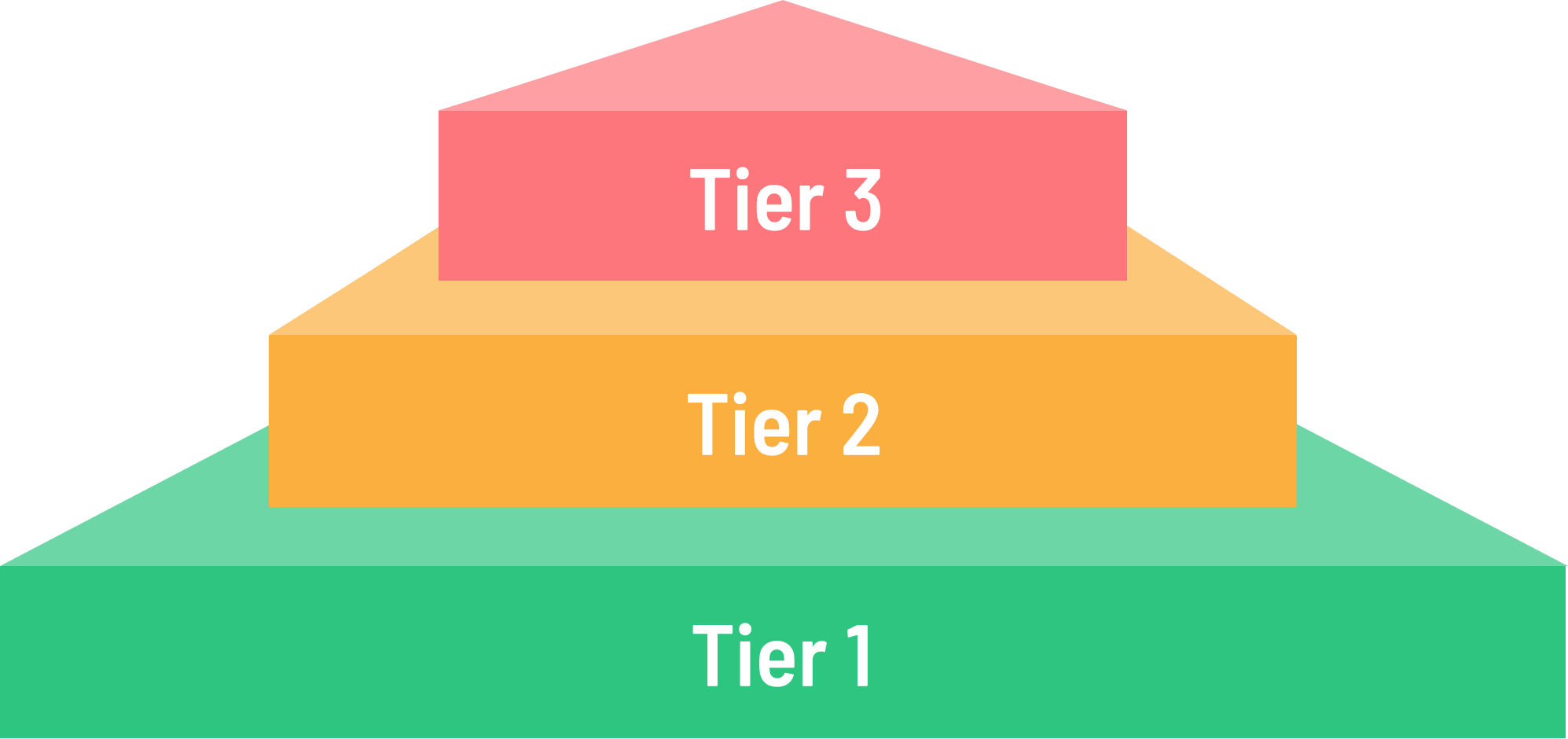
The human experience is as complex as anything existing in the world as we know it. There are limits to our understanding of it, but that does not make it any less valuable to attempt to describe and comprehend. With competing perspectives, no less in arguably the most consequential field of philosophic literature, itself proposing systems of description of the nature of Being and environment, it is important for us, here, to provide our own foundational perspective to contribute to the debate; a socio-philosophic understanding of, primarily, of the phenomenology shaping our reality. Proposed is a structured tier of the systematic framework allowing for the intersection of institutions and agency to arise. Influenced by sociology Associate Professor Marc Garcelon, a Max Weberian, of the University of Missouri-Kansas City, I have developed a relational structure to describe social experience.
There exist emergent levels of experienced reality, an institutional relationship between perceived Will and a structured web of means of “getting by and getting along within an established social setting,” as he aptly puts it. The latter acting as our necessary understanding of the systems that facilitate the perception of agency.
Structured Levels of Reality Perhaps having emerged from a highly integrated habitual action with sudden self-reflexivity, a dynamic intersection of a relational element of perceived reality exists. It is not uncommon for this dynamic to be unrecognizable, however. Give yourself some grace. Awareness of this systematic relationship requires an amount of understanding of key concepts not provided in today’s education system. No less, it exists.
An indicator that institutionalization in oneself exists, self-understanding and awareness of external influences is required. Components of cognition become fused with the patterned remembrance of sustaining behaviors upholding institutionalized thought structures. Simply put, it’s the fulfillment of the obligatory element of the social role being inhabited. It’s institutionalization working at its most rational capacity. Performance of the role is expressed in a gestalt of cognitive repudiation of novel influences. Thus, comes to exist three levels of emergent reality experienced through a subjective perspective, which both influences and is shapes reality. The synthesis of the material conditions of reality with the idealized theoretical elements of reality come to construct a reflexively dynamically collective-cooperative socio-political social life as the pinnacle of experience.
Biology The base level of the three emergent levels of reality is the organismal, the biologic from which the material arises. Here exists the pillar of biological life, the root of consciousness. It provides the physical embodiment of phenomenological experience, or the capacity to perceive. It’s where our instinctual responses lie, and it is our the constraint within which we maneuver. It is the substrate from which the succeeding, dependent levels emerge.
Social Then, biological level is what the emergent level of the social takes as given. Building upon the functions of the biological, the social level is to be constructed through instinct and choice. Meaning, norms, and interaction arise from semiotics, communication, and language. Forming a self, and the ensuing differentiation between it and the external world, itself allowing for identity construction, culture protrudes. The latter must be built, however. This is done through establishing a division of labor allowing the fulfillment of social roles to accomplish necessary communal tasks where the subject finds its object through cooperative self-determination. Upon this basis, the most consequential level of reality is built, laid out below.
Political Of the three core tiers of experience of a shared social world arises a political sphere human life. The variety of political orientation, and thus ideological lens through which shared reality is experienced, a diverse socio-political environment develops. Maneuvering through this sphere involves diplomacy, conflict, cooperation, institutional perceptiveness, and motivated agency. We do not healthily exist in isolation. Community is essential. But that is not to be misunderstood that self-governance is not to be achieved. Much to the contrary. Although we live at the intersection of agency and institutional structures, the expression of diversity that leads to a pluralist society in which limited state involvement facilitates a conjunctive society is produced. Private property then is demonstrated as an intentional social construct.
But, the social construction of private property is then not absolute, it is amendable. The potential for us to reach personal property relations exists. In this case, Late-stage capitalism would cease to exist, and thereby the means of productive labor would be returned to the rightful producers of it, the socially oppressed class. I give this as an example of the political nature of our social world.
The political order we actively construct through as a result of our social capacities. Through historicization, present arrangements, and alignment of a future, actualizing tangible political gains in the socially constructed world then become possible.
This apex tier of human experience is the realm within which the perceived experience of willful intention is had, where manipulation of the social and material environment, behavior, and thinking occurs. If it exists, and if it is not merely a belief we hold which is divorced from the negation of itself – a belief upheld, perhaps through cognitive dissidence of a fear of certainty – it is paramount. Independent of its truth, the social fabric depends on the belief in its validity; to believe otherwise would be far too harmful for social life to exist. But, this all occurs within the political sphere so essential to life.
Implications At the biological level, the emerent levels of reality rewire the neurobiology and create a situation where the material basis for emergent levels of reality to grow upon limit the potential of the creation of those spaces.
At the social level, the revolution in method of transmutation of meaning is underway in an effort to introduce an altered shared space of discourse and civil life.
Politically, the ramifications are stark. The reorganization of the institutional structures stabilizing social life is creating a hyper-individualized self-conscious political orientation. Take generation Z, a population driven by an unsettling disjointedness for a just future. Having come to direct a futile aggressive method at a dying austere order, alternative measures must be implemented for change. The arena of socio-political life influencing, say, the “feel for the game” that institutionalization creates, lays the framework for ammendability of the socially constructed elements life. Understanding this stratified reality is not an abstract exercise but a necessary step toward grasping how we will continue to transform who we are, how we behave, and the systems we inhabit.


Leave a Reply